
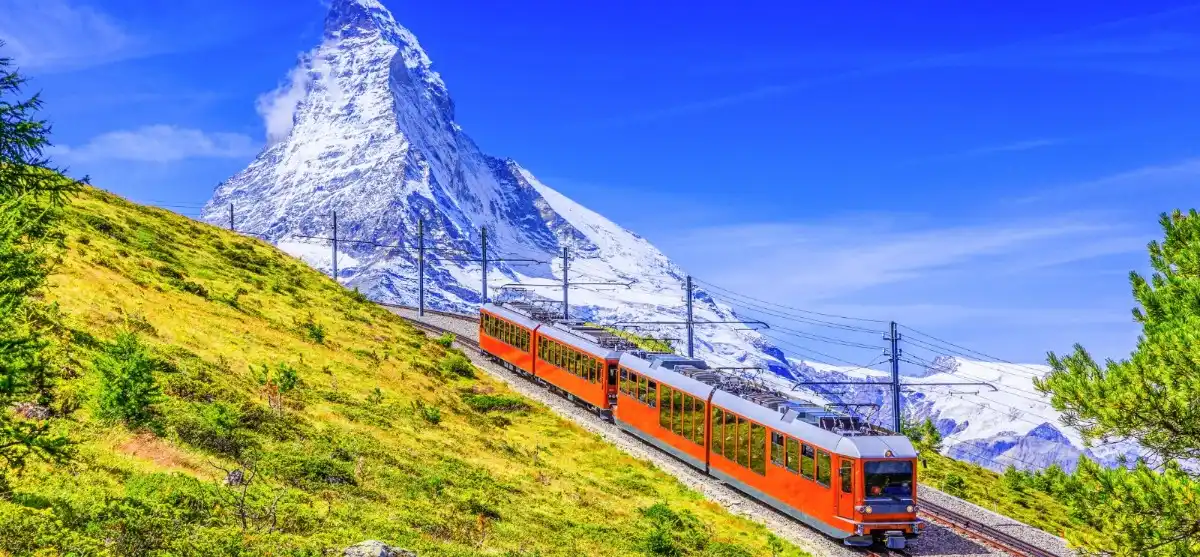
Switzerland works well for families. Snow-capped mountains, clear lakes, villages that don’t feel plastic, trains that run on time, low crime, outdoor stuff for kids of all ages.
For Singaporeans, the temperature change alone is worth it. Families looking for personalized European holidays often benefit from working with specialists who can create customized travel packages tailored to their travel style. That plus the landscapes and actually having something to do every day, unlike some places where you hit the big attraction and then what?
This guide covers what you need before booking.
Table of Contents
- Why Switzerland is Actually Good for Families
- When to Go
- Where to Go
- What to Do with Kids
- A 10-Day Itinerary
- Food That Works
- Getting Around
- What to Pack
- Money Stuff
- Practical Tips for Singapore Families
- Why DIY Planning Gets Messy
Why Switzerland Actually Works for Families
| S.No | Family Travel Factor | Why It Matters | Switzerland Advantage |
|---|---|---|---|
| 1 | Safety | Parents want a secure destination | One of Europe’s safest countries |
| 2 | Transportation | Easy travel with children | Excellent train and public transport network |
| 3 | Cleanliness | Comfortable family environment | Extremely clean cities and attractions |
| 4 | Family Attractions | Keeps children engaged | Interactive museums, mountains and lakes |
Switzerland doesn’t just call itself family-friendly—it actually is.
Safe. Cities are clean. Trains go where they say they’ll go. Your kids can run around without you thinking about it constantly. Lots of cable cars and mountain trains, which kids find entertaining. Castles, lake boats, adventure parks. The usual family stuff, but reliable.
What’s different from other European spots: you’re not driving six hours between attractions. The train network is dense enough that you can move around with a toddler without losing your mind.
Parents get a break. Kids stay occupied.
Many Singapore families prefer private tour packages because they offer greater flexibility than rigid itineraries, especially when travelling with young children.
When to Go
| S.No | Season | Months | Weather | Best For | Family Experience |
|---|---|---|---|---|---|
| 1 | Spring | March-May | 8-18°C | Sightseeing & nature | Fewer crowds and blooming landscapes |
| 2 | Summer | June-August | 18-28°C | Outdoor adventures | Best weather for mountains and hiking |
| 3 | Autumn | September-November | 10-20°C | Scenic travel | Colourful landscapes and fewer tourists |
| 4 | Winter | December-February | -5 to 8°C | Snow holidays | Christmas markets and first snow experiences |
Spring (March to May)
Flowers show up. Fewer tourists. Temperatures aren’t extreme. Good for sightseeing and walks. Lake cruises start again.
Summer (June to August)
Peak season. Warmest month (usually 18–28°C). Mountains are accessible. Hiking, mountain trains, outdoor festivals. This is when most families go, and it shows.
Autumn (September to November)
Less crowded. Colours change. Still warm enough for hiking. Villages get quieter. Good for people who don’t want crowds.
Winter (December to February)
Cold. Snow. Christmas markets. Ski slopes. For Singapore families who’ve never seen snow, this can be the whole point. Kids remember it.
Regardless of when you travel, having comprehensive travel insurance is essential for overseas family holidays.
Where to Go
| S.No | Destination | Best For | Kid-Friendly Highlight | Recommended Stay | Family Rating |
|---|---|---|---|---|---|
| 1 | Interlaken | Outdoor adventures | Adventure parks and lake cruises | 3 Days | ★★★★★ |
| 2 | Jungfraujoch | Snow experiences | Snow Fun Park and Ice Palace | Day Trip | ★★★★★ |
| 3 | Lucerne | Culture and sightseeing | Swiss Transport Museum | 2-3 Days | ★★★★★ |
| 4 | Zermatt | Mountain scenery | Matterhorn views and Gornergrat train | 2 Days | ★★★★☆ |
| 5 | Montreux | Relaxed family travel | Chillon Castle and lake promenade | 1-2 Days | ★★★★☆ |
Interlaken
The hub for mountain stuff. Sits between two lakes. Most families spend time here. Cable cars, lake boats, walks, adventure parks nearby.
Jungfraujoch (Top of Europe)
The tourist draw. Always has snow. Ice palace, views, observatory. The train ride up goes through tunnels inside the mountain before breaking out above the clouds—kids find that memorable. Worth the money.
Lucerne
History plus nature. Chapel Bridge (the old one), lake boats, Mount Pilatus. Has a transport museum that kids actually engage with, not just walk through bored.
Zermatt
The Matterhorn dominates. It’s a car-free town, which feels different—parents actually relax because there’s no traffic. Gornergrat train, hiking, a few playgrounds. Less touristy than Interlaken but still packed in summer.
Montreux
Gentler. On Lake Geneva. Chillon Castle, promenades, lake boats. Slower pace. Good if your kids get tired of constant moving.
What to Do with Kids
Ride the trains
The train rides themselves are the activity. Glacier Express, Bernina Express, GoldenPass Line. Mountains, lakes, tunnels. Kids watch out the window for hours.
Mount Titlis
Rotating cable car. Snow in summer. Suspension bridge. Glacier cave. Most Singaporeans pick this for their first snow experience. It’s designed to feel like a big moment, and it works.
Adventure parks
Rope courses, zip lines, climbing. Different parks pitch to different ages. Pick one that matches your kids.
Lake boats
Lucerne, Geneva, Thun, Brienz. Scenic. Relaxing. Breaks up the sightseeing days.
10-Day Itinerary
| Days | Destination | Main Activities | Overnight Stay |
|---|---|---|---|
| 1-2 | Zurich | Old Town, Zurich Zoo, city exploration | Zurich |
| 3-5 | Lucerne | Mount Pilatus, Lake Cruise, Transport Museum | Lucerne |
| 6-8 | Interlaken | Jungfraujoch, Grindelwald, Lauterbrunnen | Interlaken |
| 9-10 | Zermatt | Matterhorn viewpoints and Gornergrat Railway | Zermatt |
Food
Expect cheese fondue, rösti, chocolate, pasta, bread. Nothing strange. Your kids will actually eat.
Halal restaurants exist in the big cities
Muslim families may also prefer working with specialists who understand Muslim-friendly travel packages and can recommend suitable accommodation and dining options.
—Zurich, Geneva, Lucerne. Call ahead for anywhere smaller. Don’t bank on it being available.
Getting Around
You don’t need a car. Trains run on time, are clean, safe, and scenic. Some routes are worth riding just to ride them. The Swiss Travel Pass makes sense if you’re moving every few days—but do the math first because day trips sometimes cost less. Family areas exist on some trains if you need to keep kids contained.
Packing
Layers matter. Grab good walking shoes—you’ll spend half your time on cobblestones. Rain jacket because mountains change their mind about weather. Bring a universal adapter, any meds you need, sunscreen, sunglasses. Weather at altitude shifts fast, so dress to change throughout the day.
Money
Switzerland is expensive. Budget more than you think. Food, hotels, attractions—all cost more than Southeast Asia. Cable cars, trains, and museums add up. Skip what seems pricey and do the free stuff (lakes, walks, towns).
Practical Tips
Stay near a train station. Every city, every town. Makes moving between places effortless, and you’re close to restaurants and stuff without being in the chaos.
If you’re doing the Swiss Travel Pass, buy it before you leave Singapore. It’s cheaper. But run the numbers—on short trips or concentrated routes, individual tickets sometimes win.
Bring a card and cash. Cards work almost everywhere, but mountain cable cars and tiny village shops only do cash.
Check your phone bills and data plans before you go. European roaming charges hit fast, and you’ll want to stay in touch without surprises when you get back.
Download offline maps. WiFi is fine, but caching your areas in Google Maps beforehand means you navigate without burning data or depending on a signal.
Custom Itineraries vs. Doing It Yourself
Sounds simple on the surface: pick cities, book hotels, ride trains.
Is that cable car worth the €15? How many days do you need in each city before everyone’s bored? Which hotel puts you near the station, near attractions, but not surrounded by other tourists at midnight? Do you need a rental car? (Probably not.) How do you even book a mountain experience with a toddler?
Every family has a different answer. Some want luxury mountain resorts. Others want to sleep cheap and spend money on experiences. Some travel with an infant and need enforced quiet time. Others have teenagers and need constant activities.
A template itinerary doesn’t know any of that.
Switzerland works. Clear planning makes it better. Book a few weeks ahead so you’re not stressed choosing hotels on your last free evening.
Enjoy the snow, the trains, and coming home with stories your kids will repeat for years. If you’d prefer expert assistance with hotels, scenic rail journeys, family-friendly experiences, tourist visa assistance, and customized Switzerland itineraries, Tailwinds Travels can help design a holiday tailored to your family’s needs.
FAQ's
Everything Families Ask Before Visiting Switzerland
Yes. Switzerland is one of the most family-friendly destinations in Europe thanks to its safety, clean cities, reliable public transport, mountain attractions, lakes, and activities suitable for all age groups. Families particularly enjoy destinations such as Lucerne, Interlaken, Jungfraujoch, and Zermatt.
The best time depends on what you want to do. June to September is ideal for sightseeing, mountain excursions, and outdoor activities. December to February is best for snow experiences, Christmas markets, and winter sports.
For first-time visitors, 8 to 10 days is usually enough to explore Switzerland’s highlights, including Zurich, Lucerne, Interlaken, Jungfraujoch, and Zermatt. Families who prefer a slower pace may want 12 to 14 days.
Yes. Switzerland is one of Europe’s more expensive destinations. Accommodation, dining, transportation, and mountain excursions can be costly, so it’s important to plan your itinerary and budget in advance.
Some of the most popular family-friendly destinations include Jungfraujoch, Mount Titlis, Lucerne, Interlaken, Zurich Zoo, the Swiss Transport Museum, and scenic train routes such as the Glacier Express and Bernina Express.
Singapore passport holders generally do not need a visa for short tourist visits to Switzerland. However, travellers should always check the latest entry requirements before departure as immigration rules may change.
The Swiss Travel Pass can be worthwhile if you plan to travel extensively by train, bus, and boat while visiting multiple cities. However, for shorter trips or fewer journeys, individual tickets may sometimes offer better value, so it’s worth comparing costs before purchasing.