

If you’ve ever wondered how much a trip to Europe cost from Singapore, this complete breakdown answers everything.
Here’s the truth: most Singaporeans don’t delay their European dream because they can’t afford it—they delay it because they don’t know how much to budget.
And that uncertainty? It’s expensive.
Hidden costs, fluctuating exchange rates, and conflicting advice online can make planning feel overwhelming. So instead of booking the trip… it stays on the wishlist.
But what if you had a clear breakdown?
In this guide, we’ll simplify everything:
Flights from Singapore
Best-value countries
Transport between cities
Accommodation options
Food costs (from budget to splurge)
By the end, you’ll know exactly what to expect—and more importantly, you’ll feel confident enough to book.
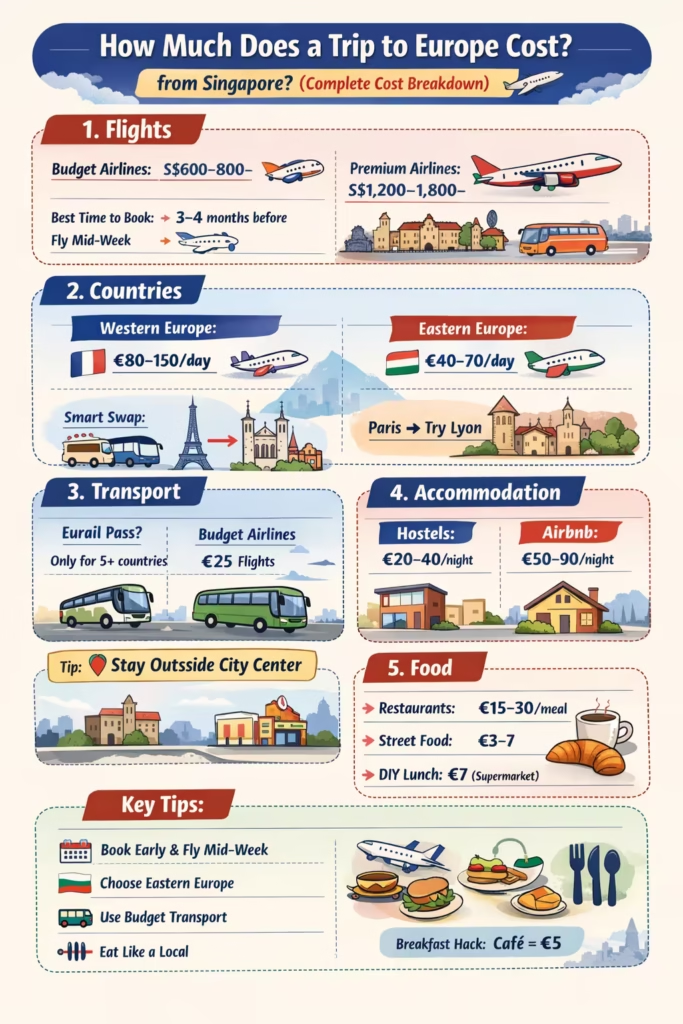
A complete visual breakdown of how much a trip to Europe costs from Singapore, including flights, accommodation, transport, food, and smart money-saving tips.
1. Flights: The Make-or-Break Factor
Let’s start with the biggest expense: flights.
Understanding how much does a trip to Europe cost starts with flights—your biggest expense.
But here’s a question—are you overpaying without realizing it?
Best Time to Book
Timing matters more than you think.
Book 3–4 months ahead for regular travel
Book 5–6 months ahead for peak seasons (summer, holidays)
Want an easy win?
Fly mid-week.
Tuesday and Wednesday departures can be S$100–300 cheaper than weekends.
And if you’re flexible? Traveling in May or September can save you enough to fund an entire week of accommodation.
Budget vs Premium Airlines
Cheap flights sound great… But are they really cheaper?
Budget airlines: S$600–800
Premium airlines: S$1,200–1,800
Now ask yourself:
Do you need baggage?
Do you want comfort on an 18-hour journey?
Because once you add baggage, meals, and seat selection, that “cheap” ticket can quietly become… not so cheap.
Hidden Airport Costs
Here’s something most travelers miss:
Getting from the airport to the city isn’t free.
Paris airport transfer: €12–50
London Heathrow Express: ~£25
Over your trip, this can add up to €100–150.
So always ask:
“What does it cost to actually reach my hotel?”
2. Country Showdown: Where Your Dollar Stretches
Not all European countries cost the same.
So where should you go?
When calculating how much does a trip to Europe cost, choosing Eastern Europe over Western Europe can cut your budget in half.
Western vs Eastern Europe
Let’s compare:
Western Europe (France, Germany, UK):
€80–150/day
Meals: €15–25
Hostels: €30–50
Eastern Europe (Hungary, Poland, Romania):
€40–70/day
Meals: €8–15
Stay: €15–30
Same experience. Half the cost.
So the real question is:
Do you want to be popular… or smart?
“Expensive” Countries That Surprise You
Think Switzerland is unaffordable?
Yes—cities are pricey.
But:
Hiking? Free
Scenic views? Free
Supermarket meals? €5
Suddenly, it’s not so scary.
Same with Norway—skip restaurants, cook your meals, and enjoy nature.
Smart Swaps
Instead of:
Venice → Try Porto
Paris → Try Lyon
Why?
Because second-tier cities often give you:
Fewer crowds
Better prices
More authentic experiences
3. Transport: Moving Around Without Bleeding Money
Getting around Europe can either save you money… or drain it fast.
Many travelers asking “how much does a trip to Europe cost” forget to factor in inter-city transportation.
So what’s the smartest choice?
Eurail Pass: Worth It?
It sounds romantic.
But is it practical?
Only if you’re visiting 5+ countries
Otherwise:
Individual train tickets are cheaper
Example: Rome → Florence = €9.90
So before buying, ask:
“Will I actually use this enough?”
Budget Airlines
Want to travel between countries for €25?
Budget airlines are your best friend.
But be careful:
Airports may be far from the city
Baggage fees add up
Boarding can be chaotic
Still, for long distances? Totally worth it.
Buses: The Hidden Gem
Ever considered buses?
Companies like FlixBus offer:
€15–30 tickets
Comfortable seats
Overnight options (save on hotels!)
Slower? Yes. Cheaper? Absolutely.
City Transport Costs
Daily transport: €5–8
Over 2 weeks? That’s €100+.
Smart tip: Get city passes (24–72 hours)
They often include:
Unlimited transport
Museum discounts
Or… just walk. It’s free—and often more memorable.
4. Accommodation: Sleep Smart, Save Big
Where you stay can make or break your budget.
So what’s your style?
Hostels (Modern & Stylish)
Think hostels are dirty and basic?
Not anymore.
€20–40/night
Private rooms available
Great for meeting people
Perfect for solo travelers.
Airbnb vs Hotels
Hotels:
€80–150/night
Airbnb:
€50–90/night
Includes kitchen
For groups? Airbnb wins easily.
But watch out: Cleaning + service fees can increase prices by 30%
Location Matters
City center:
Expensive
Convenient
Suburbs:
Cheaper
Slight travel needed
But think about this:
Save €50 per night × 7 nights = €350
That’s extra travel money.
5. Eating Well Without Going Broke
Food is where people overspend the most. Food significantly impacts how much does a trip to Europe cost, but smart eating strategies can save you €600+ over two weeks.
So how do you enjoy it without going broke?
The Reality
Restaurants:
€15–30 per meal
3 meals/day = €60–90
Over 2 weeks? €600–1,200
Shocking, right?
The Smart Strategy
Mix it up:
Breakfast: €3 (bakery)
Lunch: €7 (supermarket picnic)
Dinner: €20 (restaurant)
Total: €30/day
Half the cost. Same experience.
Street Food = Best Value
Some of the best meals are cheap:
Currywurst in Berlin
Pizza slices in Rome
Local markets in Barcelona
So ask yourself: Why pay more for worse food?
Breakfast Hack
Hotel breakfast: €15–20
Local café: €5
Better food. Better vibe.
Strategic Splurging
Don’t skip everything.
Instead: Pick 2–3 special meals
Enjoy them guilt-free.
Because you saved everywhere else.
Key Takeaways: Your Europe Trip Decoded
Flights: Book early, fly mid-week
Countries: Eastern Europe = half the cost
Transport: Skip Eurail unless necessary
Stay: Mix hostels, Airbnb, and smart locations
Food: Eat like a local, not a tourist
Your European Story Starts Now
Imagine this:
You’re not watching travel reels anymore… You’re posting your own.
A quiet morning in Paris. A sunset in Santorini. A café moment in Prague.
And when someone asks, “How did you afford it?”
You’ll know the answer.
So let me ask you one final question:
Are you going to keep dreaming… or finally start planning?
Because the truth is—
The “perfect time” doesn’t exist.
But the right decision? That can happen today.
Disclaimer: Prices are estimates and may vary based on season, availability, and personal choices.
👉 Frequently Asked Questions About Europe Trip Cost from Singapore
A Europe trip from Singapore typically costs between €1,500 to €3,500 per person for a 10–14 day trip, depending on flights, accommodation, and travel style. Budget travelers can spend less by choosing Eastern Europe and using smart saving strategies.
The cheapest way to travel to Europe from Singapore is by booking flights 3–6 months in advance, flying mid-week, and choosing budget airlines. Traveling during off-season months like May or September can also significantly reduce costs.
On average, travelers spend €40–70 per day in Eastern Europe and €80–150 per day in Western Europe, including food, transport, and accommodation. Costs vary depending on the country and travel style.
Europe can be expensive, but it depends on how you travel. Choosing affordable countries, staying outside city centers, and eating like a local can reduce your overall trip cost significantly.
You can save money by booking flights early, choosing Eastern Europe, using budget transport options like buses, staying in hostels or Airbnb, and mixing cheap meals with occasional splurges.